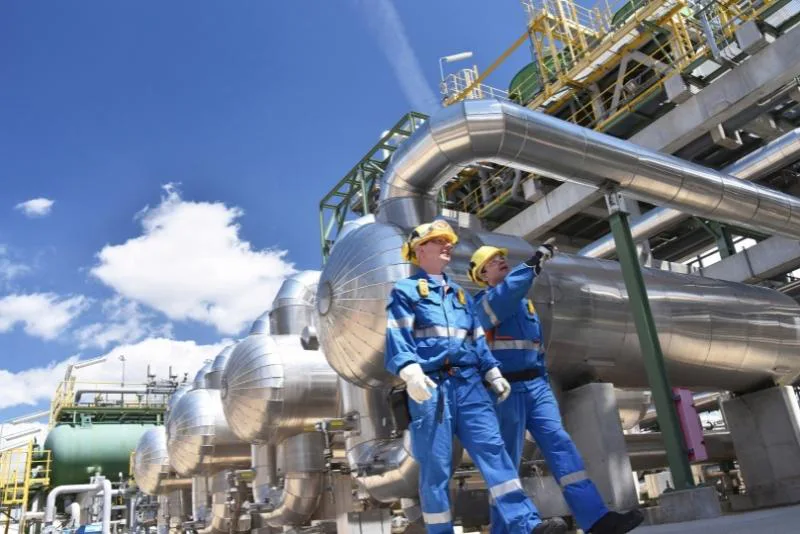
The oil and gas industry is one of the largest sectors in the world, generating millions of revenue annually. With rising global demand, the oil and gas industry is facing many challenges. These challenges consist of reducing costs, optimizing the performance of industrial base assets, and improving working conditions. Augmented Reality (AR) is finding usage as an innovative technology that provides solutions for optimizing production systems and environmental utilities on currently operating sites. This technology superimposes computer-generated data such as text, images, or video onto the real-world environment. Augmented Reality in the oil and gas sector has proven to companies and their employees that it is a smart asset to invest in. More and more companies are realizing the extensive variety of benefits that AR technology offers.
The key points for how Augmented Reality can be used in the Oil and Gas sector are as follows:
Easy Maintenance – Augmented Reality gives contact center experts a full view of the maintenance needs of their machines.
AR technology provides solutions to improve the process of repairing machines that require the urgent need for services. Machines that are not functional require a specialized technician to be repaired. Also, this causes many processes to be interrupted until the root cause of the machine malfunction is discovered. AR-Remote Support enables the real-time connection of a center expert with field technicians. This provides fast and effective solutions for the repair and maintenance process. Through AR collaboration field technicians can easily discover the root cause of the machinery malfunction and solve the problem.
Cost Reduction – Augmented reality provides real-time data for field workers in the oil and gas industry.
Another area where AR technology is having a transformative impact is the reduction of cost and operational efficiency. This is possible through superimposing real-time information using AR on top of real-world assets. AR- Remote Support enables field workers to view real-time data offshore on the operational frontline. Additionally, provide the major benefits for continuing to perform their tasks effectively and without interruptions by managing workflow. Also, in the case of unexpected issues, AR can help the field workers to solve the problems. This is possible by the remote guidance of experts that are virtually present on the field. In such cases, the company saves time and cuts down the site visits cost.
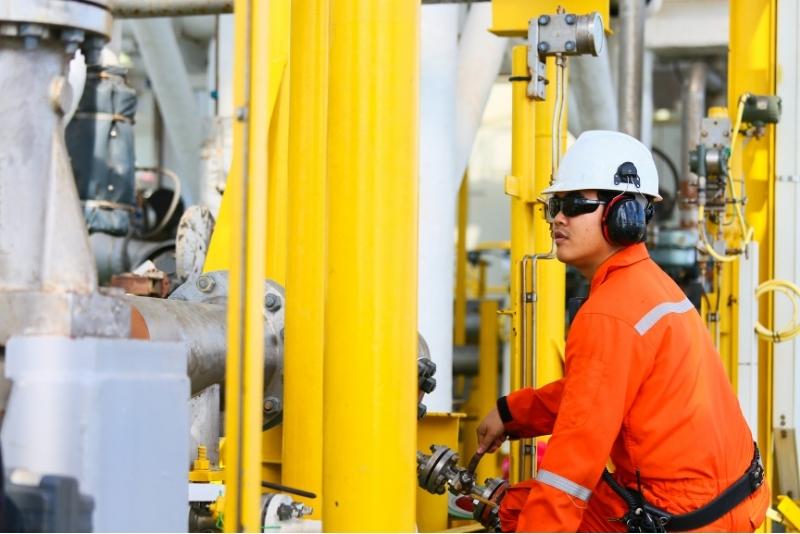
Improved Safety – AR provides real-time tutorials and helps while in the field occurs unexpectedly situations
The oil and gas sector is one of the sectors with the highest risk of human errors and the most dangerous work environment. Due to the harmful environment field workers are prone to health damage that can lead to loss of life. Through expert guidance field, workers perform their tasks in safe environments. Moreover, AR-Remote Support integrated with smart glasses provides field workers with hands-free task performance. Another benefit that AR-Remote Support offers is the training of inexperienced workers. This reduces the cost of expensive training and makes it possible to create a sphere of a workforce with the right experience and knowledge.
Day by day, many companies operating in the oil and gas sector are adopting AR technology as a tool that offers benefits in increasing productivity and safety, as well as cost-effective maintenance. AR applications are already enabling oil and gas companies to transform their operational processes by reducing expenditures, enhancing remote collaboration, and helping to stay competitive in the market. Considering all the features and benefits, the implementation of Augmented Reality in oil and gas operations is proving to be really efficient and indeed can transform the sector.
For how this works in practice — including which smart glasses are certified for Zone 1 and Zone 2 areas — see VSight’s connected worker platform for oil & gas.
Frequently asked questions
How is augmented reality used in the oil and gas sector? In oil and gas, AR-Remote Support connects a center expert in real time with field technicians so they can diagnose the root cause of machinery malfunctions and repair them faster. It also superimposes real-time operational data onto real-world assets and provides remote expert guidance to field workers, helping reduce site-visit costs and improve safety.
How does AR remote support improve safety for oil and gas field workers? The oil and gas sector has one of the highest risks of human error and one of the most dangerous work environments, so real-time expert guidance lets field workers perform tasks in safer conditions. AR-Remote Support paired with smart glasses enables hands-free task performance and can train inexperienced workers, building a workforce with the right knowledge.
Does VSight AR remote support require workers to install an app? No, guests can join a VSight session directly through their web browser with no app installation required. It also runs on iOS, Android, and Windows, as well as smart glasses such as RealWear, Vuzix, Epson, and Rokid for hands-free use in the field.
Is VSight secure enough for industrial oil and gas operations? Yes, VSight is GDPR, HIPAA, and ISO 27001 certified, and its live sessions are WebRTC-encrypted. It is trusted by more than 200 companies across over 30 countries.